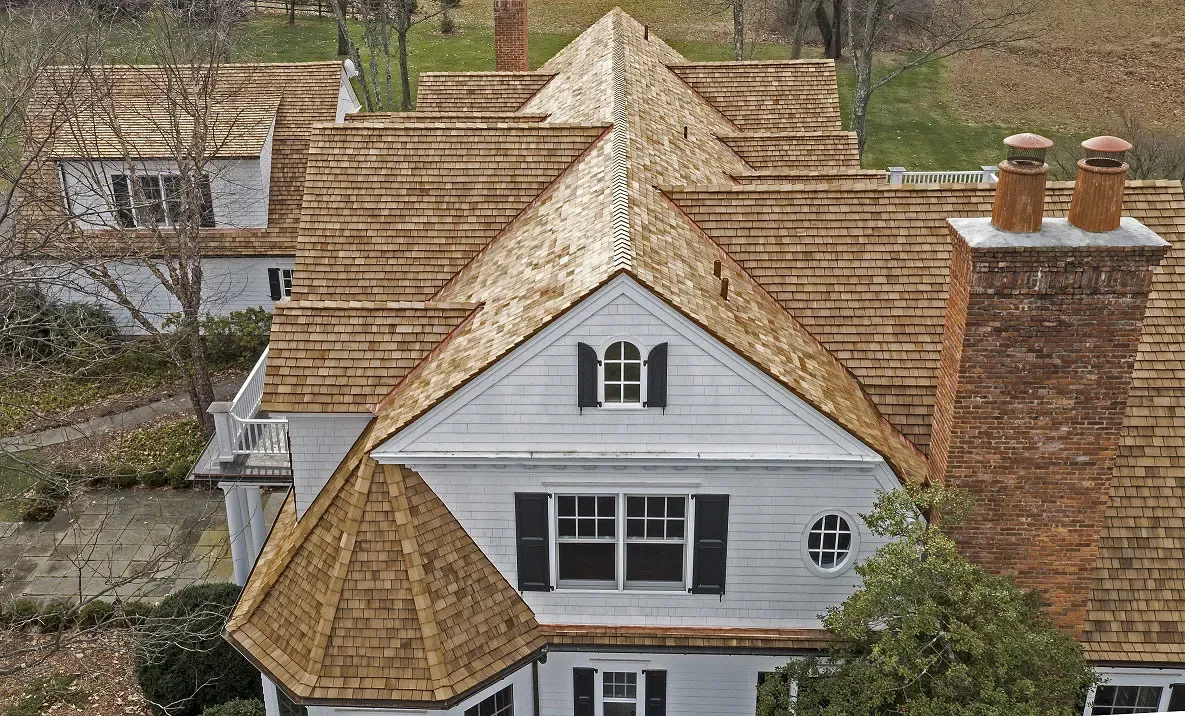
Replacing a roof is one of the most significant investments you can make in your home. For homeowners in Birmingham, Alabama, the decision comes with unique challenges: intense summer heat, severe thunderstorms, and the occasional threat of hail and tornadoes. This comprehensive guide covers absolutely everything you need to know about getting a roof replacement in the Magic City.
1. Signs You Need a Roof Replacement
Before you commit to a full replacement, it's crucial to understand the difference between manageable damage (which requires a repair) and systemic failure (which requires a replacement).
- Age of the Roof: Most architectural asphalt shingle roofs in Alabama last between 15 and 20 years. If your roof is approaching its second decade, it's time to start planning.
- Curling or Buckling Shingles: The intense Alabama sun bakes asphalt shingles, causing them to lose their protective granules and warp over time.
- Missing Granules: Look in your gutters. If they are filled with black sand-like granules, your shingles have lost their UV protection and waterproofing capability.
- Interior Leaks or Water Stains: Check your attic and the ceilings of your upper floors. Brown water spots are a clear indicator that moisture is penetrating your roofing system.
- Sagging Roof Deck: This is a severe issue indicating structural damage or prolonged water intrusion rotting the decking beneath your shingles.
2. How the Alabama Climate Impacts Your Roof
Birmingham's climate is notoriously harsh on exterior building materials. Understanding these local factors will help you choose a roof that truly lasts.
Extreme Heat and UV Radiation: Summer temperatures frequently break into the upper 90s. The surface of a dark-colored roof can easily exceed 150 degrees Fahrenheit. This extreme heat causes thermal expansion and contraction, which dramatically accelerates the aging process of standard roofing materials.
High Humidity: Moisture in the air creates the perfect breeding ground for algae, moss, and mold. Have you noticed dark, vertical streaks on your roof? That's likely Gloeocapsa magma, a type of algae that feeds on the limestone filler in asphalt shingles.
Severe Storms and Hail: Spring and fall in Alabama often bring severe thunderstorms. High winds can cause "wind uplift", breaking the adhesive seal of the shingles, while hail can bruise shingles, knocking off granules and fracturing the fiberglass matting underneath.
3. Cost Breakdowns for Roof Replacements in Birmingham
One of the most common questions we receive at Reeder Roofing is, "How much will it cost?" While prices fluctuate based on material costs and labor, here is a general breakdown of what Birmingham homeowners can expect as of 2026.
The total cost depends heavily on the square footage of your roof (measured in "squares," where 1 square = 100 square feet), the pitch (steepness) of the roof, the accessibility of your property, and the materials chosen.
- Standard 3-Tab Asphalt Shingles: The most economical option, typically ranging from $5,000 to $8,000 for an average-sized home. However, they offer less wind resistance and a shorter lifespan in our climate.
- Architectural (Dimensional) Asphalt Shingles: The most popular choice in Alabama. They offer a thicker, more textured look and superior wind ratings. Expect to pay between $8,000 and $15,000.
- Standing Seam Metal Roofing: Highly durable, energy-efficient, and capable of lasting 50+ years. Metal roofs are a premium investment, typically costing between $15,000 and $30,000.
- Luxury Options (Slate, Cedar, Tile): These high-end materials offer unparalleled aesthetic appeal but come at a premium price, often starting at $25,000 and scaling upwards depending on the complexity of the installation.
Pro Tip: Reeder Roofing offers flexible financing through Hearth Finance, allowing you to secure a premium roof with manageable monthly payments.
4. Choosing the Right Materials for the Southern Heat
Not all materials perform equally in our environment. When selecting a new roof, consider these options tailored for Birmingham.
Impact-Resistant Architectural Shingles: Products like CertainTeed Landmark or GAF Timberline HDZ offer exceptional wind resistance (up to 130 mph) and algae-fighting technology to prevent those ugly black streaks. If you live in an area prone to hail, upgrading to Class 4 Impact Resistant shingles can often lower your homeowner's insurance premiums.
Metal Roofing: Metal reflects radiant heat from the sun, making it one of the most energy-efficient options for a Birmingham summer. While the upfront cost is higher, the energy savings and longevity often make it the most cost-effective option over a 30-year period.
Ventilation is Key: No matter what material you choose, proper attic ventilation (ridge vents, soffit vents) is absolutely critical. Without it, heat and moisture get trapped in your attic, baking your shingles from the inside out and voiding your manufacturer's warranty.
5. Navigating the Roof Insurance Claim Process
If your roof was damaged by a recent hailstorm or high winds, your homeowner's insurance may cover the cost of a full replacement. However, the claims process can be daunting.
Here is the exact process you should follow:
- Get a Professional Inspection First: Do not call your insurance company until a licensed roofing contractor has inspected your roof. If you file a claim and the adjuster finds no damage, it goes on your record as a "zero-pay claim," which can still negatively impact your rates.
- Review the Evidence: At Reeder Roofing, we document all storm damage with high-resolution photos and detailed reports. We show you exactly what we found.
- File the Claim: Once damage is confirmed, you contact your insurance provider to initiate the claim.
- The Adjuster Meeting: We highly recommend having your roofing contractor present when the insurance adjuster inspects your roof. We advocate on your behalf to ensure all damage is properly noted and accounted for.
- Approval and Installation: Once approved, you pay your deductible, and the insurance company covers the rest of the replacement cost (minus depreciation, which is usually released after the job is completed).
6. How to Pick a Trustworthy Local Contractor
Unfortunately, the roofing industry attracts "storm chasers"—out-of-state contractors who knock on doors after severe weather, do subpar work, and disappear when warranty issues arise.
Protect yourself by ensuring your roofing contractor meets the following criteria:
- Locally Owned and Operated: Choose a company with deep roots in the Birmingham area. Look for a physical local address, not just a P.O. Box.
- Licensed and Insured: Ask for proof of their Alabama Home Builders Licensure Board license, as well as general liability and worker's compensation insurance. This protects you from liability if an accident occurs on your property.
- Manufacturer Certifications: Top manufacturers like GAF and CertainTeed only certify the top 2-3% of roofers in a market. A certified contractor can offer extended, factory-backed warranties that non-certified roofers cannot.
- Stellar Reviews: Read their Google Reviews. Look for recent, detailed reviews that mention the owner, the sales reps, and the installation crew by name.
- No High-Pressure Tactics: A reputable contractor will educate you and provide options, not pressure you into signing a contract on the spot.
Conclusion
A roof replacement is a major undertaking, but armed with the right knowledge and a trustworthy local partner, it doesn't have to be stressful. At Reeder Roofing, we've built our reputation on transparency, elite craftsmanship, and treating every home as if it were our own.
If you suspect it's time for a roof replacement, or if you simply want a professional assessment of your roof's current condition, contact Reeder Roofing today for a free, zero-pressure inspection.